
Tomball ZIP Market Context · August 2026
In August 2026, 618 homes were listed for sale across the Tomball area (ZIP 77375, 77377), 176 of them newly listed. Median asking prices ran from $412,000 to $439,912 depending on the ZIP code, and the typical listing had been for sale 42 to 43 days.
| ZIP | Median asking price | Homes for sale | Median days on market |
|---|---|---|---|
| 77375 | $412,000 | 354 | 42 |
| 77377 | $439,912 | 264 | 43 |
Asking prices for homes currently listed across the whole ZIP code, from Realtor.com Research, saved monthly snapshot. Texas does not make sale prices public, so these are list prices, not sold prices, and a single neighborhood can sit well above or below its ZIP code. For what a specific home would sell for, request a property-specific CMA.
Live MLS statistics for Tomball: active listings, median prices and recent sales, updated automatically from the Houston Association of REALTORS®.
MLS data as of October 2025
A critical analysis of observable patterns reveals that Tomball’s primary value proposition is anchored by the Tomball Independent School District (TISD), which acts as a central economic engine and a primary driver for family-led relocation. The area’s geography is bifurcated by distinct development archetypes: the 77375 zip code, which hosts the historic downtown "Old Town" core and the ultra-luxury, nature-integrated Village of Creekside Park; and the 77377 zip code, defined by a surge in newer master-planned communities like Amira and Northpointe, which leverage the SH 249 and Grand Parkway (SH 99) corridors for superior regional connectivity.
Market data as of October 2025 indicates a median sale price of approximately $450,000 in the 77377 zip code and $389,000 in 77375. Despite a broader national trend of cooling appreciation, Tomball has maintained price resilience, with 77377 seeing a 4% year-over-year increase in sale prices. This stability is supported by a robust local economy, where the city’s population is projected to grow from 12,000 to over 20,000 within the city limits by 2030, necessitating a pipeline of over 2,000 new housing units currently in development.
Practical tradeoffs for residents include navigating the transition from a rural-suburban hybrid to a high-density suburban environment. This involves managing increased traffic congestion on arterial routes like FM 2920 and adapting to the fiscal complexities of Municipal Utility District (MUD) taxes, which vary significantly between established neighborhoods and new-build communities. Ultimately, Tomball sits as a "Goldilocks" alternative to its neighbors, offering more space than the dense developments of Cypress and more established amenities and higher-rated schools than the emerging markets of Magnolia.
Tomball is strategically situated approximately 30 miles northwest of Downtown Houston, occupying a geographic and economic sweet spot in Northwest Harris County, with a portion of its footprint extending into Montgomery County. Historically founded as a railroad and agricultural hub, the city’s modern urban role is defined by its function as a regional transit node. The intersection of State Highway 249 (The Tomball Parkway) and State Highway 99 (The Grand Parkway) has transformed Tomball from a secluded bedroom community into a highly accessible logistics and residential nexus.
The city’s urban role within the Houston-The Woodlands-Sugar Land MSA is multifaceted. It serves as a primary residential feeder for the Energy Corridor to the south and The Woodlands to the east. The completion of the Grand Parkway segments has fundamentally altered local commute times, allowing Tomball to capture a significant share of the workforce from the ExxonMobil Houston Campus and the high-tech firms situated along the SH 249 corridor.
Tomball’s administrative landscape is divided between the incorporated City of Tomball and large swaths of unincorporated Harris County. This distinction is vital for real estate analysis, as it dictates zoning regulations, taxing entities, and utility providers.
| Feature | Incorporated Tomball | Unincorporated Tomball (ETJ) |
|---|---|---|
| Zoning | Regulated by City Charter | Unrestricted / Deed Restricted |
| Primary Zip Codes | 77375 (Central) | 77377 (West/South), 77375 (Creekside) |
| Law Enforcement | Tomball PD | Harris County Sheriff / Constables |
| Taxes | City Tax + TISD | MUD Tax + TISD |
| Utility Source | City of Tomball Utilities | Private MUDs |
The city is currently executing its 2040 Comprehensive Plan, which seeks to preserve the "hometown" character of the 77375 core while managing the rapid commercial and industrial expansion along the SH 249 "Aggie Expressway" extension. This dual identity—historic railroad town meets high-tech suburban corridor—is the cornerstone of Tomball’s unique urban role.
The migration toward Tomball is rarely accidental; it is a calculated decision based on a hierarchy of needs, with education, value-for-space, and accessibility serving as the primary drivers.
The most significant catalyst for relocation is the reputation of the Tomball Independent School District (TISD). As a "fast-growth" district with consistent "A" ratings, TISD provides a level of perceived academic security that few other Houston-area suburbs can match. Families move here to access specialized programs like the Tomball Star Academy (Early College High School) and the P-TECH healthcare and teaching tracks, which offer students the ability to earn associate degrees and professional certifications before high school graduation.
Tomball offers a "value-per-square-foot" proposition that is superior to both the inner-ring suburbs of Houston and the more mature sections of The Woodlands. Buyers in the 77377 and 77375 zip codes frequently find that they can obtain larger lots (often 7,000–10,000 sq. ft.) and newer construction for the same price as smaller, older homes in Spring or Klein. For those seeking even greater spatial freedom, the outskirts of Tomball provide rare "unrestricted" properties where homeowners can maintain livestock, build secondary workshops, or store large equipment—options that are virtually non-existent in more heavily deed-restricted neighbors like Cypress or The Woodlands.
The expansion of the regional tollway system has repositioned Tomball as a viable home base for white-collar professionals. The proximity to SH 249 and SH 99 means that a resident can live in a "small-town" setting while maintaining a 20-minute commute to the ExxonMobil campus or a 30-minute commute to the Energy Corridor. This accessibility is further enhanced by the proximity to George Bush Intercontinental Airport (IAH), making Tomball an attractive location for frequent business travelers and corporate relocatees.
Retention in Tomball is driven by the city’s high "Social Capital" and the lifecycle continuity provided by its community infrastructure.
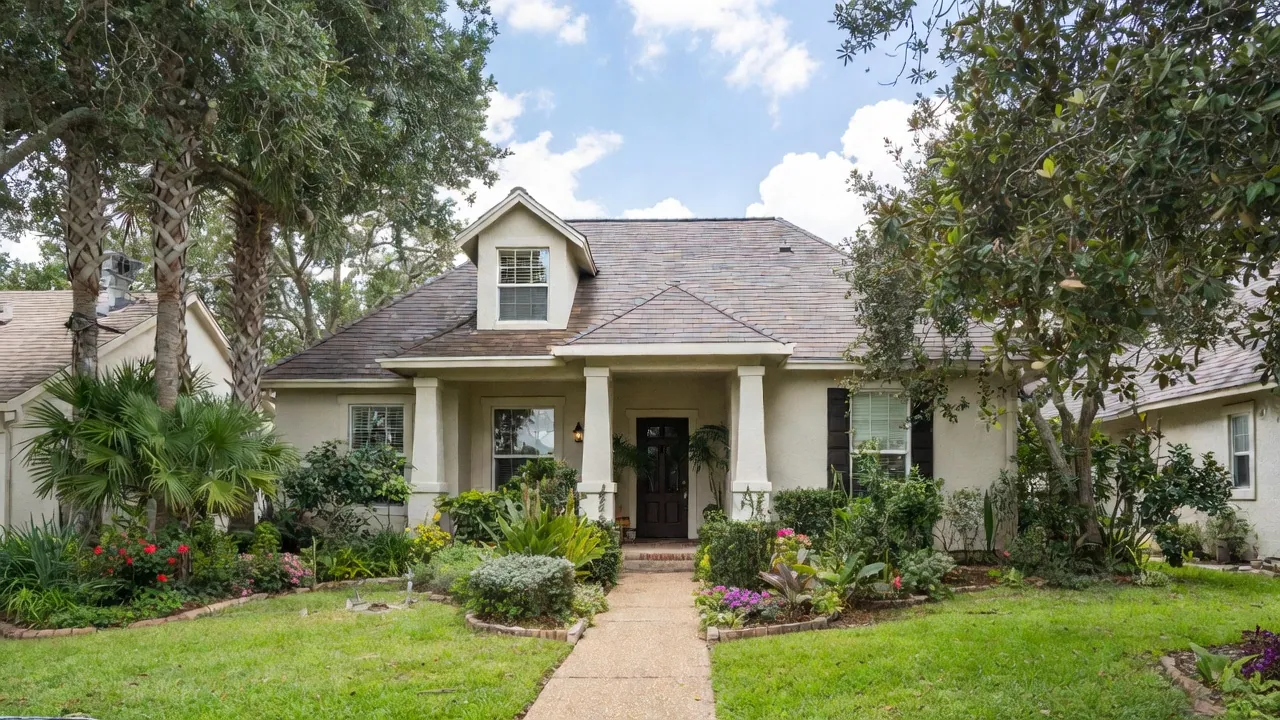
Despite the rapid growth, Tomball has successfully maintained a "hometown" feel that fosters long-term residency. This is evidenced by the low turnover in established neighborhoods such as Northpointe Woods and Lakewood Forest, where residents often stay for decades. The city’s investment in its downtown core—the "Old Town"—provides a central meeting place that lacks in many other suburban sprawl areas, reinforcing a shared civic identity.
The structure of TISD creates a "cradle-to-career" pipeline that anchors families in the community. Once a family enters the district at the elementary level, the specialized junior high and high school academies provide strong incentives to remain through graduation. The district’s 99% graduation rate and the $35 million in scholarships awarded to the Class of 2025 demonstrate the tangible returns on residency in the area.
Residents stay because the amenities "grow with them." As the population has expanded, the city has responded with upgraded parks (e.g., the $2.3 million Jerry Matheson Park renovation) and expanded retail options like "The Grand at 249," which includes high-demand anchors like Costco. The presence of HCA Houston Healthcare Tomball ensures that residents have access to high-quality medical care at all stages of life, further supporting the ability to "age in place" within the community.
The Tomball lifestyle is defined by a distinct "dual-mode" operation: a quiet, high-amenity suburban routine during the week and a vibrant, event-driven festival culture on the weekends.
During the week, the rhythm of Tomball is dictated by the school bell and the tollway. Morning traffic is concentrated around the "Northpointe" and "Creekside" clusters, where high concentrations of families reside. The weekday lifestyle is highly auto-dependent, with most residents utilizing personal vehicles for the 31.6-minute average commute to work. However, for those living in the Village of Creekside Park, a "micro-walkable" lifestyle is possible, where residents can bike or walk to the Village Green for dining and basic retail.
On weekends, the focus shifts to the 77375 core. The Tomball Farmers Market (Saturday mornings) is the premier social event, acting as a regional draw for local produce and artisanal goods. Outdoor recreation is a cornerstone of daily living, with residents frequenting the 320-acre Burroughs Park for hiking and fishing, or the Spring Creek Greenway for extensive trail systems that connect to The Woodlands.
Tomball’s culture is unique for its "Festival-First" approach to community engagement. The city hosts major annual events that are free to the public, creating a sense of "Gemütlichkeit" (German for friendliness/coziness).
| Event Name | Frequency | Typical Activities |
|---|---|---|
| German Heritage Festival | Annual (March) | Polka, beer gardens, heritage parade |
| Farmers Market | Weekly (Saturday) | Local produce, artisanal crafts, social hub |
| Rails & Tails | Annual (May) | Crawfish festival, live music |
| Depot Day | Annual (Nov) | Model trains, history tours, railroad themes |
| GroovFest | Annual (Sept) | 1960s/70s nostalgia, VW car show |
The housing stock in 77375 and 77377 is a temporal map of Northwest Houston's development history, ranging from century-old farmhouses to ultra-modern master-planned communities.
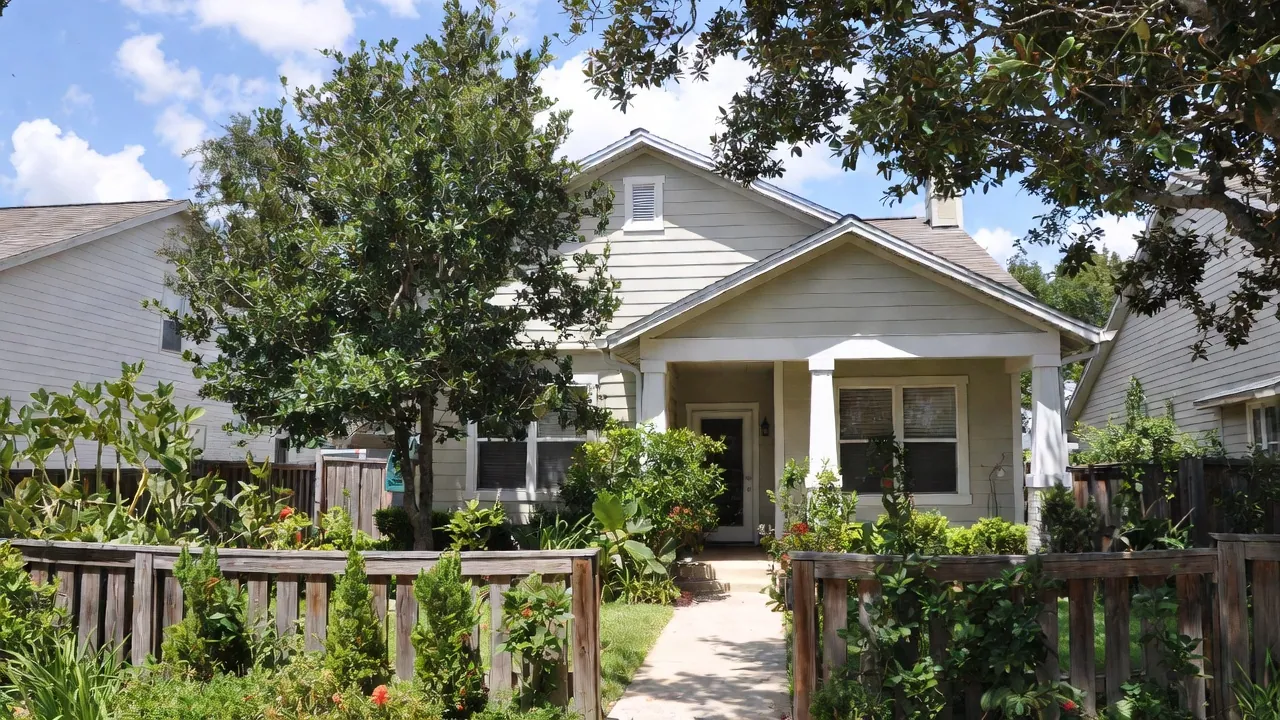
The central core of Tomball features a blend of architectural styles. You will find original 1900s-era bungalows and farmhouses, many of which have been meticulously renovated for either residential use or converted into boutique commercial spaces. Infill construction is common here, with new-build "Modern Farmhouses" sitting alongside 1950s ranch-style homes.
The 77377 zip code is the heart of the "modern suburban" housing stock. Communities like Northpointe (Wildwood, Villages) and Hayden Lakes define this segment. These homes typically range from 2,000 to 4,500 square feet, featuring traditional brick and stone elevations, 3–5 bedrooms, and integrated smart-home technology.
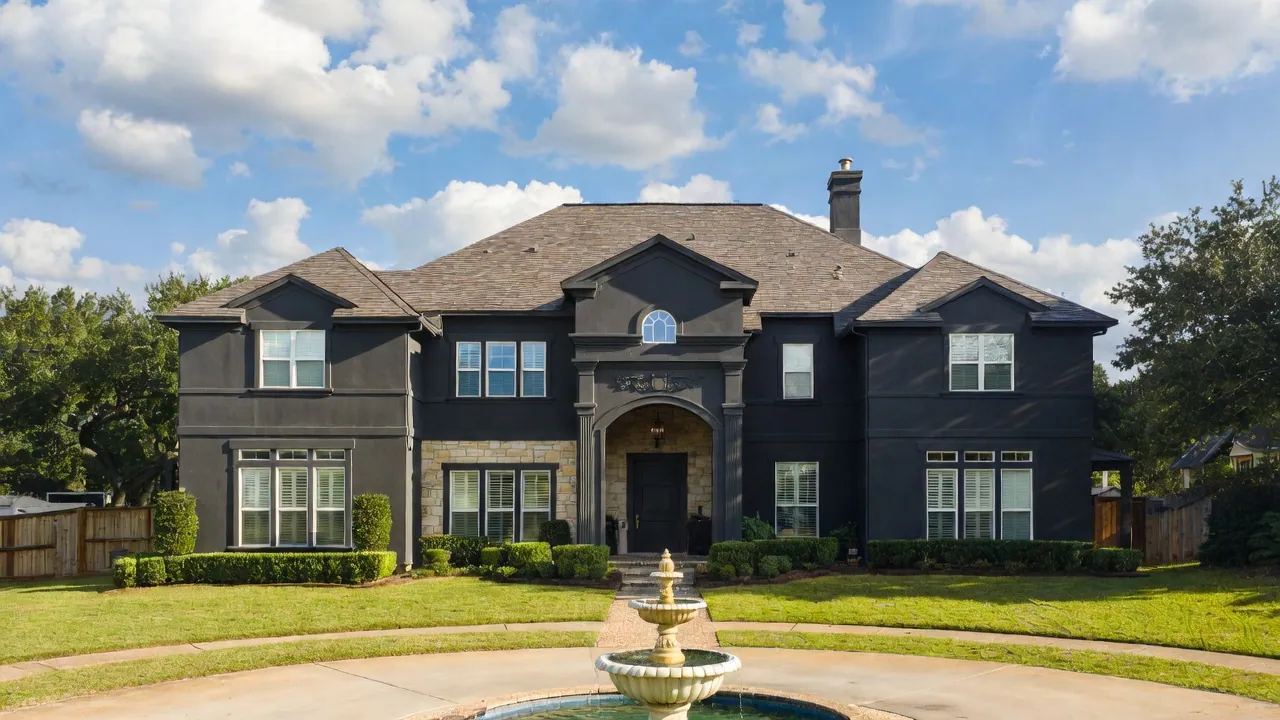
Creekside Park represents the pinnacle of the local housing market. As the newest village of The Woodlands, it features a median build year of 2015. The housing stock here is characterized by high-end executive homes and custom estates.
| Housing Segment | Median Square Footage | Common Features | Price Range |
|---|---|---|---|
| Entry-Level Traditional | 1,500 – 2,200 | 1990s builds, smaller lots, established | $230K – $290K |
| Mid-Tier Suburban | 2,400 – 3,200 | 2010s builds, 4 beds, standard amenities | $300K – $450K |
| Master-Planned Premium | 3,300 – 4,500 | New construction, 3-car garages, resort pools | $460K – $850K |
| Executive / Luxury | 4,000 – 6,000+ | Water views, custom finishes, oversized lots | $900K – $2.5M+ |
The Tomball market in late 2025 and 2026 is positioned as a "Buyer's Market," yet it displays a high degree of price stickiness and low volatility.
| Zip Code | Median Home Price | Listing $/Sq. Ft. | Active Listings | Median Rent |
|---|---|---|---|---|
| 77377 | $450,000 | $173 | 575 | $2,197 |
| 77375 | $389,000 | $171 | 1* (High Turnover) | $2,090 |
| 77379 (Klein) | $389,900 | $141 | -- | $1,925 |
| 77389 (Spring) | $489,000 | $179 | -- | $2,500 |
| 77382 (Woodlands) | $512,500 | $218 | -- | $2,400 |
Note: Data for 77375 listings count varies by reporting period; some trackers show much higher active inventory.
As of October 2025, the median sale price in the 77377 zip code reached $450,000, representing a 4% year-over-year increase, signaling strong demand for the newer housing stock in that area. In contrast, the 77375 zip code saw a median sale price of $389,000. This price discrepancy is largely driven by the volume of newer, larger homes in 77377 versus the diverse mix of older and smaller homes in the 77375 city core.
One of the most observable shifts in the 2025 market is the increase in "Days on Market" (DOM). In 77377, the average DOM rose by 8.2% year-over-year to 61 days. Tomball citywide averages approximately 53 days on market. While this indicates a slower pace than the 2021–2022 period, Tomball properties still sell significantly faster than those in Magnolia, where the average listing age is 85 days.
The rental market has shown signs of softening, creating more affordable options for newcomers. The median rent in Tomball is approximately $2,095 per month. In the highly desirable 77377 zip code, median rent stands at $2,197, a decrease of 4.64% year-over-year.
Education is the cornerstone of Tomball’s residential value. The Tomball Independent School District (TISD) serves over 23,000 students and is a primary "retention factor" for the community.
TISD has distinguished itself through its "Innovation Center" and specialized academies. In 2023, the district launched the P-TECH (Pathways in Technology) Healthcare academy in partnership with HCA Houston Healthcare Tomball. This program accepts a 25-student cohort annually and provides a direct path to an Associate of Science degree and industry certifications.
A new CTE pathway allowing students to earn FAA mechanics certifications.
High-demand technical pathways supported by the district’s 1:1 technology environment.
An Early College High School that accepts 100 students per year and provides a tuition-free associate degree through Lone Star College.
To manage the influx of new residents, TISD voters approved a $566.7 million bond in late 2024 to fund campus upgrades and added capacity. A key project is the opening of Tomball West High School in August 2026, which will serve the rapidly growing populations in the western 77377 and Cypress-adjacent areas.
| School Type | Key Campuses | Grades Served | Zip Code |
|---|---|---|---|
| High School | Tomball High | 9–12 | 77375 |
| High School | Tomball Memorial | 9–12 | 77377 |
| High School | Tomball Star Academy | 9–12 | 77375 |
| Junior High | Grand Lakes JH | 7–8 | 77377 |
| Junior High | Tomball Junior High | 7–8 | 77375 |
| Intermediate | Northpointe Inter. | 5–6 | 77377 |
| Elementary | Canyon Pointe Elem. | PK–4 | 77377 |
| Elementary | Tomball Elementary | K–4 | 77375 |
Tomball's infrastructure is currently in a phase of aggressive modernization to support its projected population boom.
The "Retail Impact Context" is a significant driver of home values. Large anchors such as Costco and "The Grand at 249" have created a massive retail hub on the city's south side, reducing the need for residents to travel to Willowbrook or The Woodlands for shopping. These commercial nodes support property values by increasing the "Convenience Index" of surrounding neighborhoods like Northpointe and Hayden Lakes.
The city’s first 10-year master plan for parks and recreational facilities is currently being implemented, with a focus on walkability and trail connectivity.
Despite city-led efforts to improve walkability in the core (Old Town), Tomball remains a predominantly "Car-Dependent" community. Typical walkability scores for suburban subdivisions like Inverness Estates or Stable Hill Court range from 4/100 to 24/100. The vast majority of errands and commutes require a personal vehicle, making proximity to SH 249 and SH 99 a high-value amenity.
The demographic profile of Tomball reveals a community that is wealthier and better educated than the Texas state average.
The median age in Tomball is approximately 38.1 to 41.4, which is higher than the Houston metro average of 35.3. Average household size in 77377 is 3 persons.
The economic disparity between the city proper and the surrounding zip codes is a key analytical point. Zip code 77377, which contains many of the high-end master-planned communities, has a median household income of $123,015, which is 1.5 times the Houston metro average ($80,458). In contrast, the city of Tomball proper has a median household income of $71,426.
Tomball has a "high-talent" workforce. In zip code 77377, 46.5% of the population holds a Bachelor's degree or higher, compared to just 33.1% statewide. Within the city limits, 66.96% of residents have completed some college or higher.
In the Northwest Houston landscape, Tomball occupies a "Goldilocks" position between the rural-trending Magnolia and the high-density Cypress.
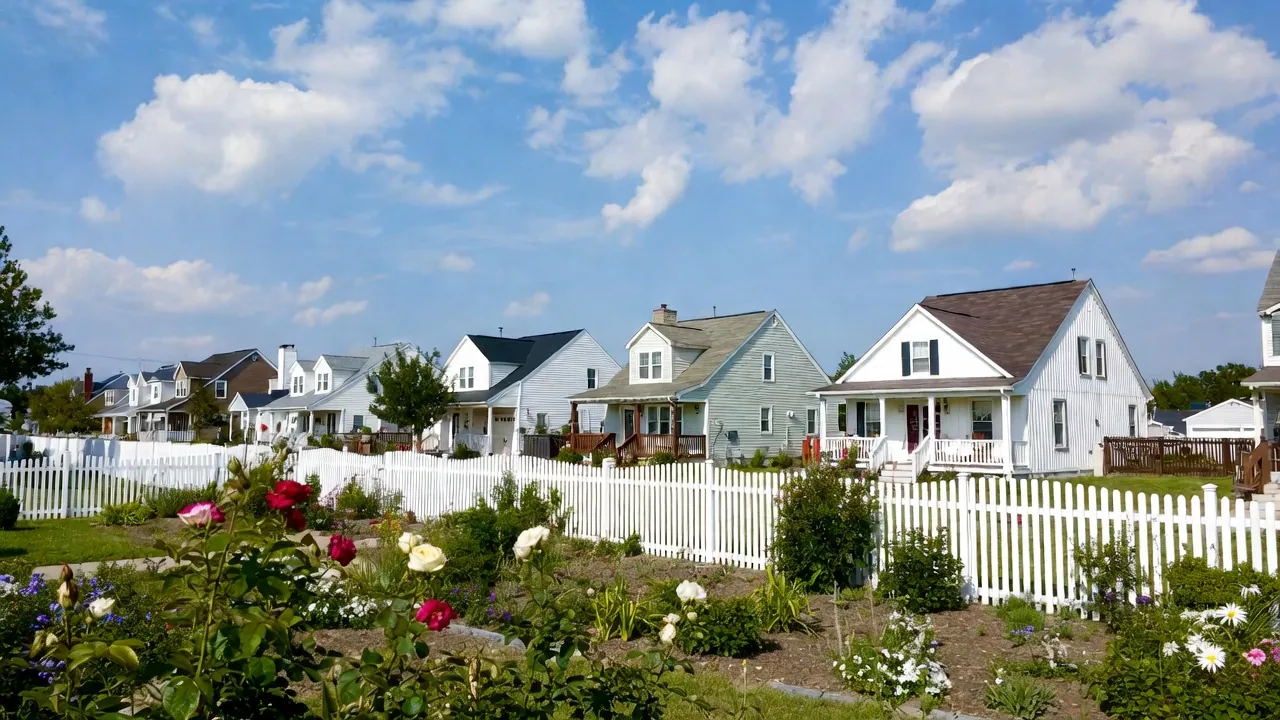
The residential real estate market in Tomball (77375, 77377) is currently defined by a high degree of maturity and strategic planning. As of late 2025, the area has transitioned into a "buyer-balanced" market, where the inventory of approximately 1,000 listings and the increase in days on market to the 50–60 day range offer buyers significantly more negotiating power than in previous years. However, the fundamental demand drivers—high-quality education, strategic regional positioning, and a robust local economy—ensure that property values remain resilient.
The duality of the market—ranging from the $230,000 entry-level homes in Westbourne to the $2.5 million estates in Creekside Park—allows Tomball to serve a wide demographic, from first-time buyers to executive-level professionals. The ongoing execution of the 2040 Comprehensive Plan and the 2024 TISD Bond projects are critical indicators of the city’s commitment to maintaining its "Livable Center" status.
For investors and homeowners, Tomball represents a "Steady-Growth" play. It lacks the extreme volatility of urban centers and the fiscal strain of the newest, highest-taxed "mega-suburbs," offering instead a consistent environment where community character and infrastructure investment work in tandem. As the city continues its trajectory toward becoming a 20,000-person hub by 2030, the primary challenge will be preserving the small-town "Gemütlichkeit" that remains its most enduring and valuable asset.
Neighborhood-by-neighborhood pricing, schools, commute times and the questions to ask before you move to Tomball.
Request the GuideTomball is a city in northwest Harris County, Texas, located along SH 249 about 30 miles northwest of downtown Houston. It sits southwest of The Woodlands and is served by the Tomball Independent School District.
Tomball is known for its preserved historic downtown, the Tomball ISD which consistently ranks among the top districts in the Houston region, and the SH 249 / Aggie Expressway corridor that has driven recent commercial and residential growth.
Tomball real estate offers a mix of newer master-planned communities such as Woodtrace and Amira and established neighborhoods near the historic downtown. The market is supported by Tomball ISD school access and the SH 249 commuter corridor.