A Comprehensive Market Analysis and Lifestyle Profile of the 77008 Zip Code
The trajectory of the Houston Heights, often colloquially referred to as "The Heights," represents a unique case study in American urban planning and residential resilience. Founded in 1891, it stands as one of the earliest and most successful planned communities in Texas, a legacy that continues to command a premium in the 2026 real estate market.1 The neighborhood was the brainchild of Oscar Martin Carter, a former bank president from Nebraska who sought to create a self-contained "streetcar suburb" that offered a respite from the congestion and industrialization of central Houston.1 This foundational vision established the wide esplanades, grid-patterned streets, and dedicated park spaces that remain the neighborhood's most distinctive features today.
Live MLS statistics for Houston Heights: active listings, median prices and recent sales, updated automatically from the Houston Association of REALTORS®.
Overview
The independence of the Heights from 1896 to 1918 allowed for the establishment of a robust local infrastructure, including its own school system, hospital, and municipal services, which fostered a deep-seated community identity.1 This period of autonomy was curtailed in 1919 when the municipality, struggling to fund its burgeoning school district, agreed to be annexed by the City of Houston.1 Post-annexation, the Heights maintained its character as a middle-class enclave until the post-World War II era, when suburban flight and the subdivision of grand Victorian homes into low-rent apartments led to a period of decline.1 By the 1970s, the area was often described as a "seedy" or "decrepit" enclave, yet this very neglect served to preserve the original housing stock from the mass demolition that occurred in other parts of the city.
The neighborhood's revitalization, which began in earnest during the 1990s, was driven by a new generation of professionals seeking proximity to Downtown Houston and an alternative to the sterile suburbs.1 This gentrification process has transformed the socioeconomic profile of the 77008 zip code, with median household incomes doubling between 2000 and 2015.1 In 2026, the Heights is characterized by a "trifurcated" growth pattern, where it serves as a revitalized urban enclave for affluent households who value architectural history, walkability, and a "small-town" atmosphere within the fourth-largest city in the United States.
Market Performance and Pricing Dynamics (2020-2025)
The real estate market in 77008 has demonstrated significant appreciation and resilience, even as the broader Houston market normalized following the pandemic-driven surges of 2020–2022. By late 2025, single-family home sales in the Greater Houston area picked up modestly, with 88,634 transactions citywide, reflecting a 3.8% increase from the previous year.5 Within the Heights, the market has shifted toward a more balanced state, with inventories reaching 4.5 months in December 2025, up from 4.0 months the previous year.
Single-Family Residential Pricing Trends in 77008
The pricing hierarchy in the Heights is highly dependent on property type and proximity to historic districts. The following table illustrates the median and average price shifts from the pandemic era to the close of 2025
Data from the Houston Association of Realtors (HAR) and Redfin indicates that while median prices reached a peak of $747,000 in November 2025, the market has begun to normalize, with a median sale price of approximately $675,000 by year-end.6 The discrepancy between median and average prices—with the average often exceeding $800,000—highlights the impact of high-value luxury closings in a thinner market.
Report Month/Year
Median Sold Price
Average Sold Price
Total Transactions
Median Days on Market
January 2020
$464,900
$551,601
43
36.0
January 2021
$490,000
$559,279
65
25.0
January 2022
$460,500
$559,086
72
18.5
January 2023
$586,250
$692,213
38
23.0
January 2024
$635,000
$639,963
41
13.0
January 2025
$604,500
$761,760
48
23.0
December 2025
$633,700
$825,055
60
21.0
Market Metric
December 2024
December 2025
Year-over-Year Change
Median Sale Price
$659,180
$675,000
+2.4%
Homes Sold
265
246
-7.2%
Median Days on Market
39
53
+14 days
Sale-to-List Price
97.7%
97.5%
-0.2 pts
The Luxury Segment and Market Velocity
The luxury market in the Heights, defined by properties exceeding $1 million, has shown robust growth, with sales in this segment increasing by 14.2% year-over-year in late 2024.8 This demand is driven by the limited inventory of fully renovated historic estates and the introduction of contemporary "modern farmhouse" mansions. In December 2025, homes in the Heights sold after an average of 53 days on the market, compared to 40 days the previous year, signaling a shift that allows buyers more time for due diligence but requires sellers to adopt more competitive pricing strategies.
While the overall Houston market was classified as a "buyer's market" in late 2025, the Heights maintains a "balanced" profile due to the sustained demand for its specific urban lifestyle.9 This balance is further supported by the Federal Reserve's pivot toward easier monetary policy, which saw the 30-year fixed mortgage rate slide from 7.0% in early 2025 to approximately 6.2% by December, drawing buyers back into the market as borrowing costs reached a three-year low
Housing Supply: Diversity and Density in 77008
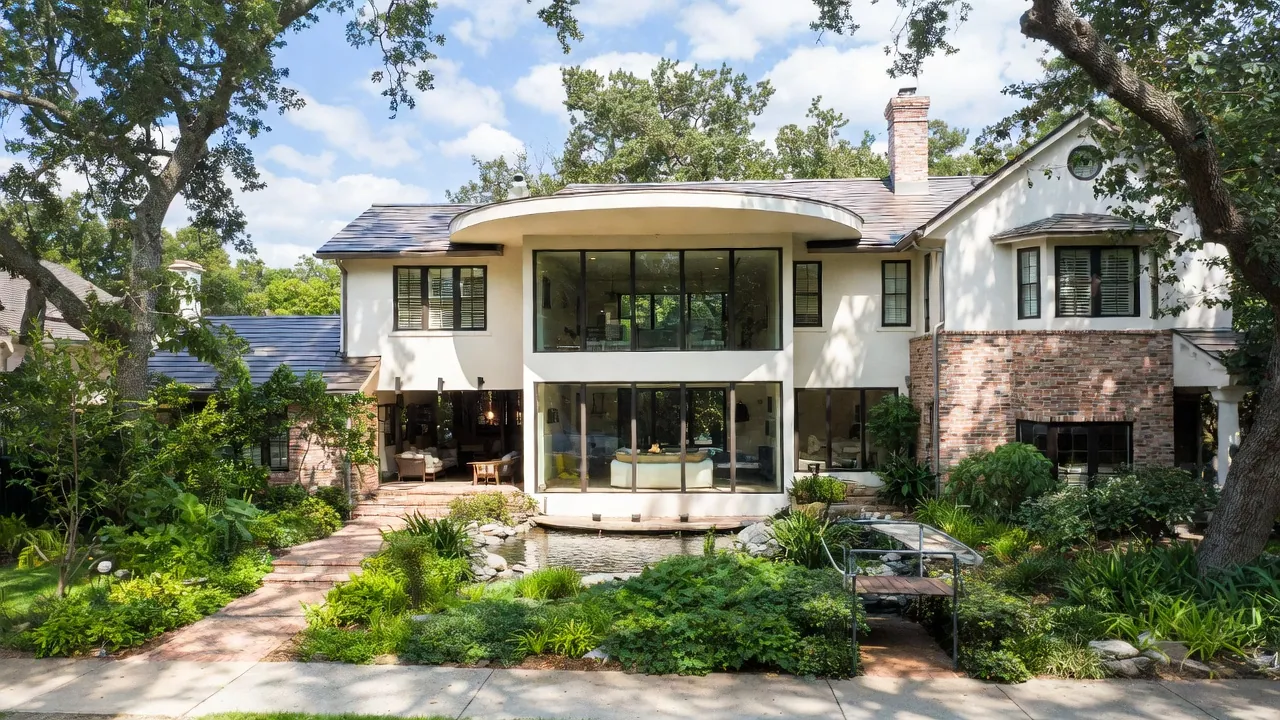
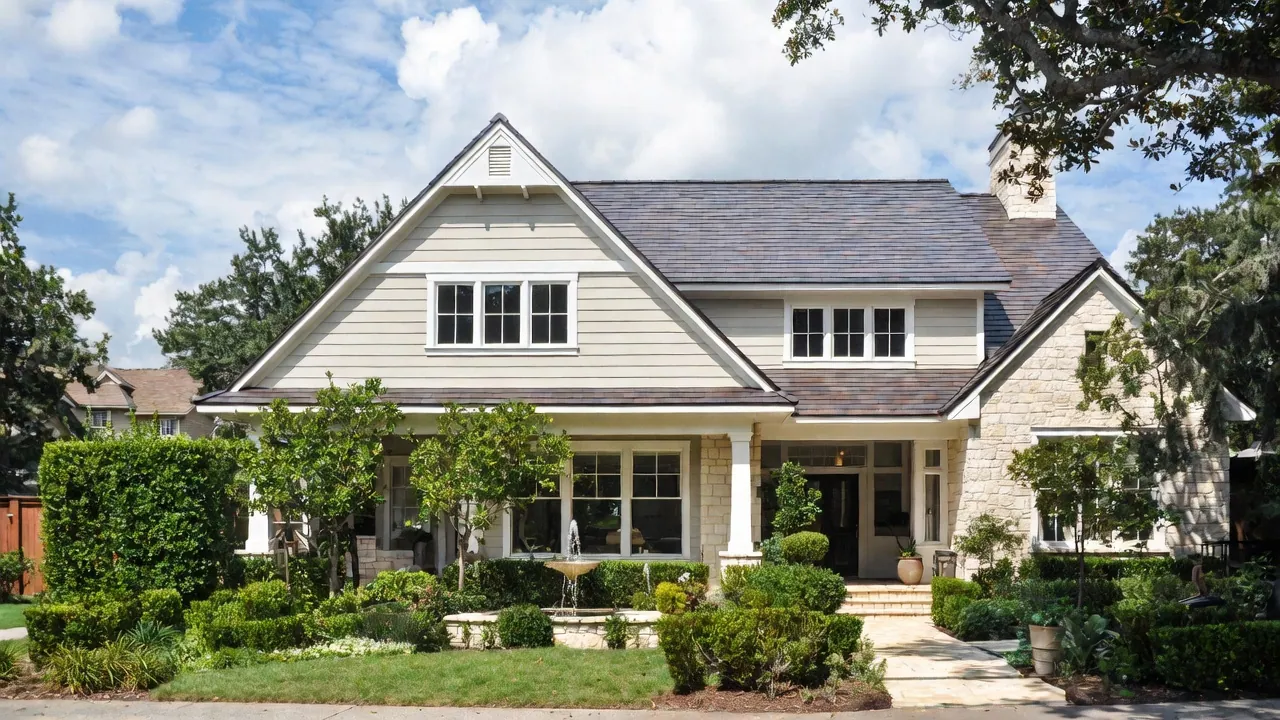
The housing stock in 77008 is a complex tapestry of architectural eras, ranging from 1900s Victorian mansions and 1920s Craftsman bungalows to modern townhomes and luxury new construction.3 This variety is a key reason why residents choose to stay, as the neighborhood offers a progression of housing types that can accommodate different life stages.
Architectural Typologies and Historic Preservation
The core of the Heights' identity is preserved through three City of Houston designated Historic Districts: Heights East, West, and South.4 These districts encompass the areas of the original 1891 plat that remain largely intact, including segments along Yale Street and Heights Boulevard. The Historic Preservation Ordinance (HPO) adopted in 2010 mandates that all structures within these districts, regardless of age, must adhere to strict design and construction codes.
Façade Preservation
Front façades cannot be altered without committee approval from the Houston Archaeological and Historical Commission (HAHC).
Material Integrity
Original wooden doors and single-glazed windows must be restored rather than replaced, often requiring specialized and expensive craftsmanship.
Addition Restrictions
Additions are typically restricted to the rear of the property (often called "camelbacks") to ensure the street-facing profile of the historic structure remains unchanged.
The economic implication of these regulations is a significant increase in the cost of ownership and renovation. Acquisition of a "fixer-upper" in a historic district can cost over $500 per square foot, with comprehensive renovations adding another $360 per square foot.2 However, these restrictions also create a "scarcity premium" for authentic historic homes, which have consistently outperformed newer builds in long-term land value appreciation.
The Role of Accessory Dwelling Units (ADUs)
The Heights is famous for its extensive inventory of "garage apartments," a localized term for Accessory Dwelling Units. These units became a staple of the residential landscape during the Great Depression and the 1950s as a means of providing affordable rental housing and supplemental income for homeowners.
In 2026, the demand for ADUs remains high, driven by the desire for multi-generational living and the potential for short-term or long-term rental income. A well-maintained garage apartment in 77008 can command over $1,000 per month in rent, providing a critical financial hedge against rising property taxes.14 The City of Houston has increasingly supported this trend through the release of "build-ready" plans and by streamlining the permitting process for "backyard cottages".
ADU Factor
Garage Conversion
New Structure Build
Typical Cost
$100k – $150k
$150k – $250k
Primary Challenge
Hidden structural fixes; insulation
Yard footprint impact; site prep
Houston Weather Need
Advanced humidity/moisture control
Elevation for drainage (Atlas 14)
Common Use
Home office; single professional
Guest suite; income property
These units are particularly prevalent in the Heights due to the neighborhood's lack of traditional deed restrictions in many areas, allowing for greater density than the more restrictive "old-money" enclaves like River Oaks
Market Positioning and Lifestyle Analysis
The market positioning of the Heights is predicated on its status as a "highly walkable neighborhood with small-town charm" situated just four miles from the fourth-largest business district in the nation.10 This "there, there" quality—a distinct sense of place—is cited by residents as the primary reason for choosing the neighborhood over the sprawling suburbs.
Walkability and the "Trail-Oriented" Lifestyle
While Houston has a reputation for being car-centric, the Heights offers a "car-light" lifestyle that is rare in the Gulf Coast region. The neighborhood's Walk Score of 75 (and over 90 in certain commercial hubs) is supported by a network of trails and broad, tree-canopied streets.
Heights Hike and Bike Trail
A 4.7-mile paved path that directly connects the neighborhood to Downtown Houston, facilitating both recreation and non-vehicular commuting.
Heights Boulevard Esplanade
A 60-foot-wide landscaped median that serves as a central promenade for the community, featuring public art installations and grand Victorian architecture.
19th Street Shopping District
A historic commercial corridor that retains its "vintage" charm with a mix of boutiques, cafes, and the historic Heights Theater.
The lifestyle is defined by active, outdoor engagement. On any given weekend, the neighborhood’s streets and trails are filled with residents walking dogs, pushing strollers, and utilizing local parks like Donovan Park, which features a massive wooden train popular with buyers.
Retail and Dining Hubs: Adaptive Reuse and Modern Amenities
The retail landscape of the Heights has evolved from simple convenience to high-end, chef-driven destinations that utilize the neighborhood's industrial past.
Heights Mercantile:An award-winning project that reinvented forgotten structures along the bike trail into a collection of boutique spaces, featuring wellness brands like Aesop and upscale fashion like Vuori.
M-K-T:A trail-oriented mixed-use development comprising five creatively adapted industrial buildings, offering over 30 merchants and four acres of new green space.
Heights Market:A high-end convenience hub on Durham Drive that has become a cultural node by promoting local craft beers and hosting gourmet food truck vendors.
These hubs are meticulously designed to be "biophilic," integrating natural materials and daylight to create environments that support wellness and community interaction. The shift from a "dry" district to allowing alcohol sales in 2017 further catalyzed the dining scene, transforming the Heights into one of the city's premier culinary destinations.
Educational Infrastructure and Family Resilience
For many buyers, the choice of the Heights is driven by the performance of the Houston Independent School District (HISD) campuses serving the 77008 zip code. The neighborhood features several "A" rated schools that provide a level of educational stability often missing in other urban areas.
Primary Public Education Resources
The Heights is home to multiple campuses that have received national recognition for academic excellence.Heights High School, an International Baccalaureate (IB) campus, offers specialized academies in Health Science, Business, Engineering, and Transportation, providing students with hands-on training for high-growth careers.26 The presence of these highly-rated public schools creates a "virtuous cycle" of real estate demand, where families are willing to pay a premium to secure a zoned address, thereby supporting property values and school funding through the tax base.
School Name
Grade Level
Designation / Specialty
Key Metrics
Field Elementary
EE–5
National Blue-Ribbon School
TEA "A" Rating; Small class sizes
Harvard Elementary
PK–5
IB World School
High demand; Zoned with Magnet
Helms Elementary
PK–5
Dual-Language Magnet
English/Spanish immersion
Hamilton Middle
6–8
Vanguard / Magnet
Outstanding academics; Low discipline rates
Heights High
9–12
IB World School
Magnet for Computer Technology; AP courses
Alternative and Private Educational Options
The 77008 area and its immediate surroundings also offer a variety of charter and private school options, catering to families seeking specific pedagogical approaches.
Houston Heights Charter School:A "B" rated campus serving grades 9-12 with a focus on personalized learning.
Journey School of Houston:A private institution on West 11th Street serving grades 1-7.
Lutheran High North:A nearby private campus serving grades 6-12.
This educational density makes the Heights a "sticky" neighborhood, where families are more likely to stay long-term as their children progress through the K-12 system.
Healthcare and Public Infrastructure
The 77008 zip code is anchored by significant healthcare facilities, providing both essential services and stable employment for the local population
Memorial Hermann Greater Heights Hospital
The primary healthcare node is the Memorial Hermann Greater Heights Hospital, a 260-bed facility that has served the community for over 50 years.34 This hospital is an ANCC Magnet-designated facility, a recognition granted to only the top hospitals nationally for nursing excellence.
Specialized Services
The hospital features a 165,000-square-foot South Tower housing a Family Birthing Center, Ambulatory Medicine Center, and Orthopedic unit..
Local Access
Situated at the intersection of Highway 290 and North Loop 610, it provides easy access for residents across the Heights and surrounding neighborhoods.
Economic Impact
With over 600 affiliated doctors and a full suite of specialties from cancer care to neurosciences, the hospital acts as a major economic driver for the 77008 zip code.
Additionally, the area is served by specialized facilities such as the PAM Health Rehabilitation Hospital, which focuses on inpatient and outpatient recovery for medically complex patients.
Utilities and Drainage Infrastructure
The aging infrastructure of the Heights presents both a challenge and a focus for the City of Houston. Under the Houston Public Works department, significant efforts are underway to maintain the 6,000 miles of city streets and 3,300 miles of storm sewers.
Drainage Utility Charge: Following the passage of Proposition 1 in 2010, the city established a dedicated fund for drainage and street renewals, funded by a per-square-foot charge on impervious surfaces (patios, driveways, buildings).
Adopt-A-Drain: A community engagement program that encourages residents to clear debris from storm drains to prevent localized flooding during heavy rain events.
Lead and Copper Rule Revisions (LCRR): The city is currently conducting a full inventory of drinking water service lines in 77008 to identify and replace lead-containing pipes.
While these infrastructure projects are ongoing, the rehabilitation of the entire city system is estimated to take over 100 years at current funding levels, making local drainage maintenance a critical task for Heights homeowners.
Functional Tradeoffs and Practical Realities
Choosing to live in the Heights involves navigating a series of practical tradeoffs that distinguish it from newer master-planned communities.
Environmental and Climate Risks
Potential buyers must evaluate the neighborhood's susceptibility to extreme weather events, which are increasingly relevant in the 2026 market.
The moderate flood risk is a significant consideration, particularly as the city adopts new "Atlas 14" flood map updates in 2026, which may change insurance requirements for many Heights properties. However, the neighborhood's relatively high elevation compared to other Inner Loop areas provides some protection.
Risk Factor
Assessment
Property Impact
Flood Factor
Moderate (52%)
Significant portion of properties at risk of severe flooding; insurance and elevation considerations recommended
Wind Factor
Extreme (80%)
High exposure to hurricanes and severe storms; gusts up to 141 mph may impact roofing, fencing, and insurance premiums
Heat Factor
Extreme (100%)
Projected increase in days exceeding 109ºF; higher utility costs and HVAC demand expected
Fire Factor
Minimal (<1%)
Low probability of wildfire impact relative to regional averages
Urban Friction: Parking and Noise
The very qualities that make the Heights desirable—its density and walkability—also create localized friction.
Parking Challenges: In commercial zones like 19th Street and the Studewood restaurant corridor, parking is notoriously tight, often spilling over into residential streets.10
Traffic Congestion: Proximity to major highways (I-10, 610, 290) ensures excellent accessibility but also results in heavy traffic during peak hours.3
Noise Pollution: Proximity to active thoroughfares like Yale Street and Shepherd Drive can lead to higher ambient noise levels, a factor that varies significantly by pocket.10
Despite these issues, the absence of mandatory Homeowners Associations (HOAs) in many parts of the Heights is viewed by many buyers as a benefit, allowing for greater freedom in property use and lower monthly carrying costs.
Comparative Urban Analysis: Heights vs. Neighbors
To understand the market positioning of 77008, it is essential to compare it with other high-demand Inner Loop and near-Loop neighborhoods.
Land Value Appreciation (10-Year Analysis)
The Heights has shown steady appreciation, though it has recently been outperformed in raw percentage growth by neighborhoods that started from a lower price floor.
Neighborhood
10-Year Appreciation
5-Year Appreciation
Typical Vibe
Houston Heights
49%
14%
Historic, walkable, family-friendly atmosphere with parks and local shops
Garden Oaks
86%
48%
Suburban feel with large lots, mature trees, and quiet streets
Rice Military
33%
25%
Modern townhomes, urban setting near nightlife and downtown access
Midtown
168%
86%
High-density, transit-oriented, vibrant nightlife and apartment living
Upper Kirby
89%
62%
Luxury living, upscale shopping, and high-end dining
While Midtown has seen explosive growth due to massive densification and light rail access, the Heights offers a more stable, residential-focused investment.
Lifestyle and Density Tradeoffs
Compared to Rice Military, which is dominated by modern three-story townhomes and a "lock-and-leave" lifestyle, the Heights offers more traditional "yard space" and a stronger sense of community.33 Garden Oaks, located just north of the 610 Loop, provides significantly larger lots (often over 10,000 square feet) but lacks the walkable retail hubs and historic streetcar suburb charm that define 77008.
Future Outlook and Strategic Market Positioning
As we look toward the remainder of 2026 and into 2027, the Houston Heights (77008) is positioned as a resilient "flight-to-quality" market. While rising interest rates and construction costs have tempered the record-breaking price jumps of the early 2020s, the neighborhood's fundamentals remain unmatched in the Houston Inner Loop.
Predictions for 2026-2027
Inventory Normalization: Expanding inventory levels (currently at 4.5 months) suggest a more balanced market where buyers will have more leverage than in previous years, potentially leading to slower but more sustainable price growth.5
The ADU Revolution: Increased city support and high rental demand will likely lead to a surge in Accessory Dwelling Unit permits, as homeowners seek to offset property tax increases with rental income.14
Infrastructure Investment: Ongoing rehabilitation of pedestrian bridges, such as the Hogan Pedestrian Bridge over White Oak Bayou, and the citywide lead pipe inventory will improve the long-term utility and safety of the neighborhood.
Continued Gentrification: The "trifurcated" growth of Texas metros will continue to draw affluent households to the Heights, further solidifying its status as an enclave for high-income professionals.
The Houston Heights remains a premier residential destination not because it is the most affordable, but because it offers a "unique character or identity" that is rooted in time-honored proportions and classic styles.2 For the resident of 2026, the Heights is more than a zip code; it is a "mini-Austin" within Houston—a walkable, community-oriented, and historically rich oasis that continues to reach new heights.